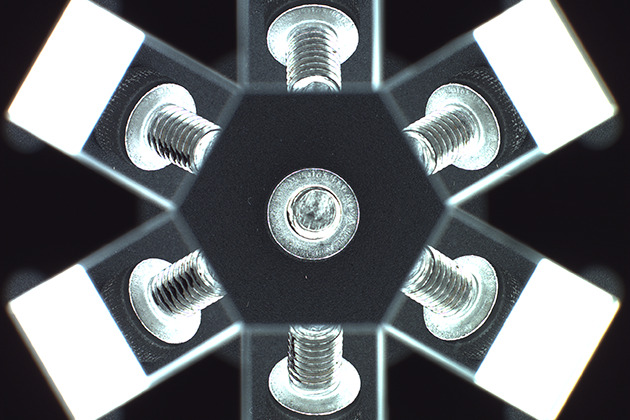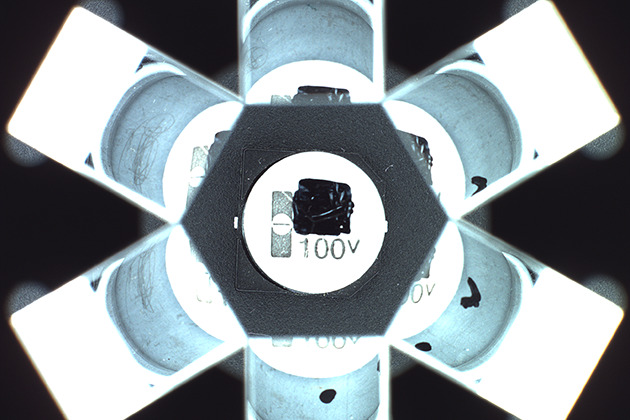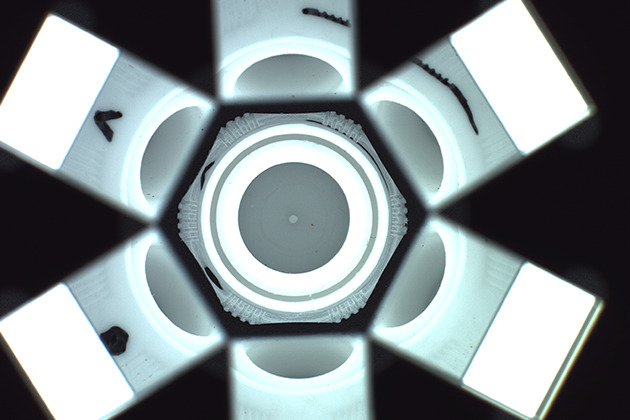
Features of DOUBLE REFLECTION CHROVIT
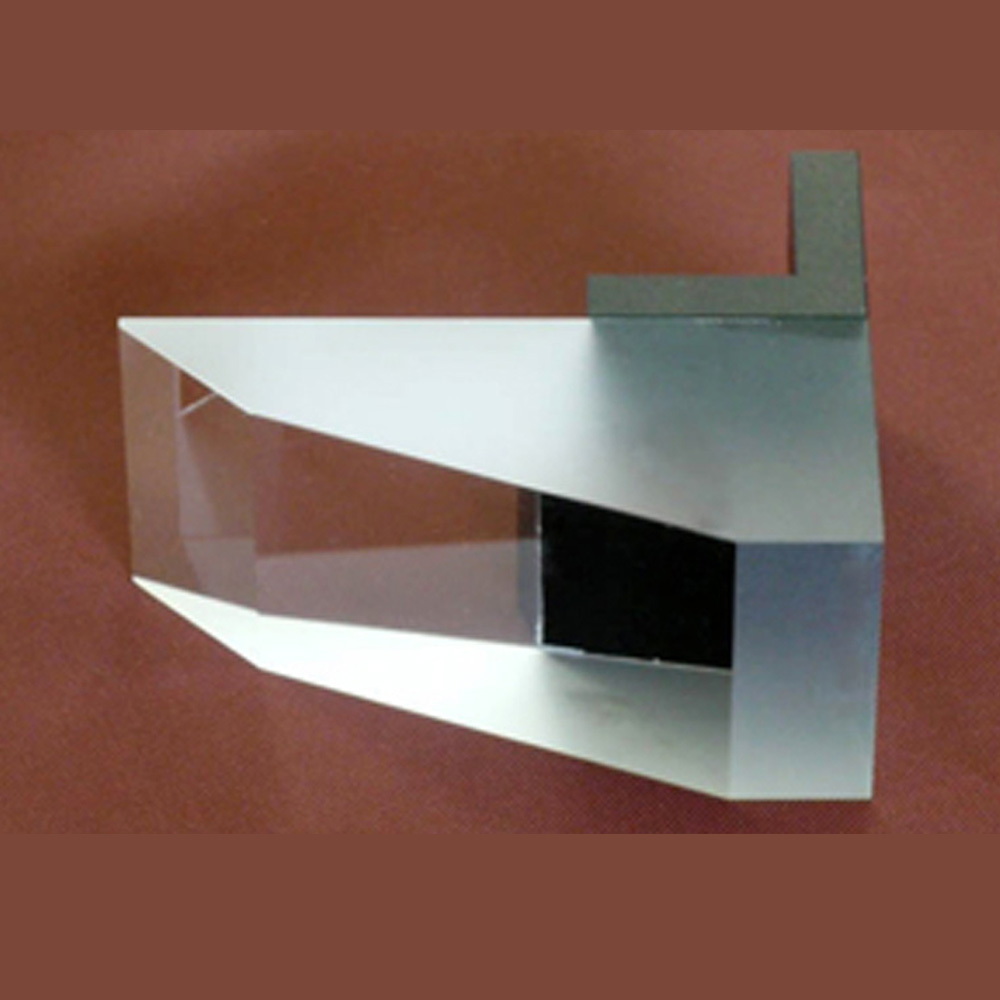
This is the most widely used CHROVIT, offering easy transport routes for workpieces.The sides of the workpiece are imaged from oblique upper angles.
In most cases, CHROVIT is positioned above the workpiece, so there is no concern that CHROVIT will obstruct workpiece transportation.The workpiece can be observed from any chosen angle, though in most cases 45 degrees or 30 degrees from the horizontal are standard.
Video
Examples of Imaging
Simultaneous Three-Direction Imaging
45 degrees
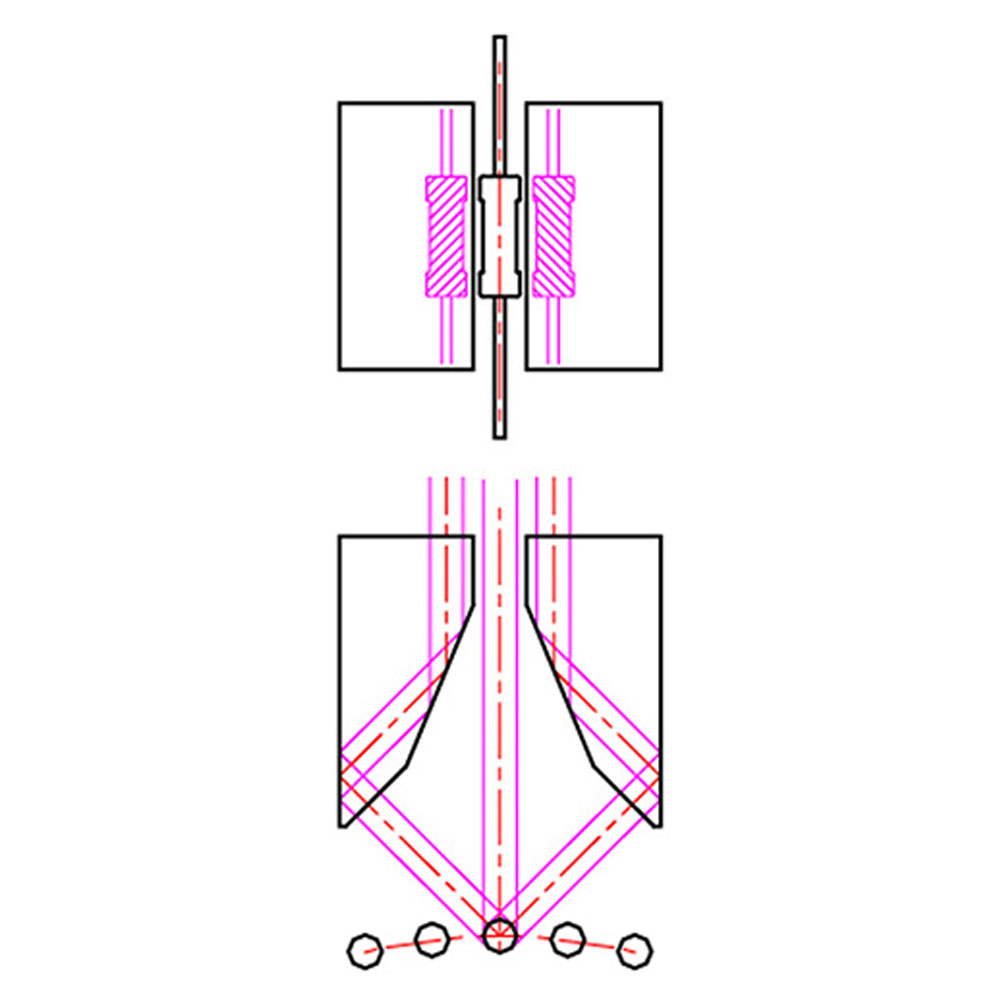
It is possible to simultaneously capture an oblique upper image of the workpiece and a direct-through front image. The figure shows three images: two side views of a cylindrical workpiece taken from a 45-degree oblique angle, and one central direct-through image.
The transport path of the workpiece is circular, and the CHROVIT is installed so as not to obstruct the transport path. With one stage, half of the workpiece can be inspected, and with two stages, a full 360-degree inspection can be done.
30 degrees
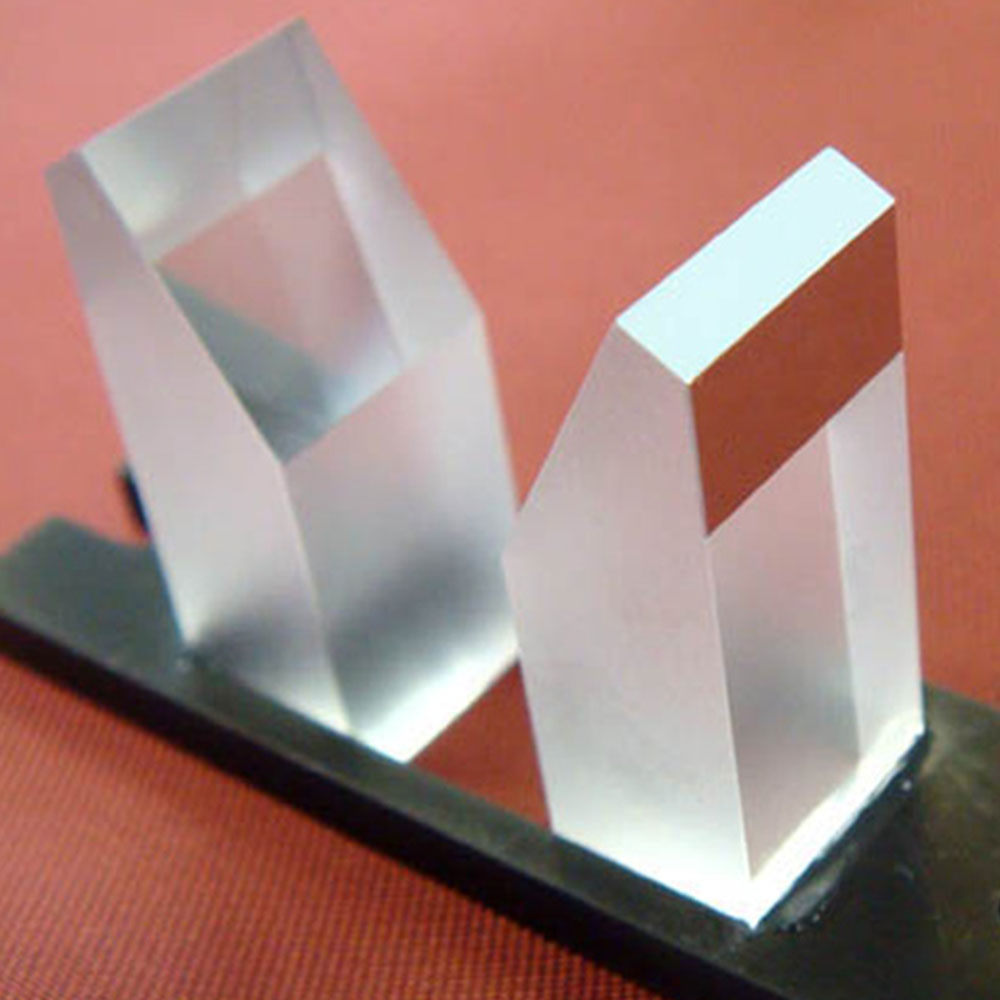
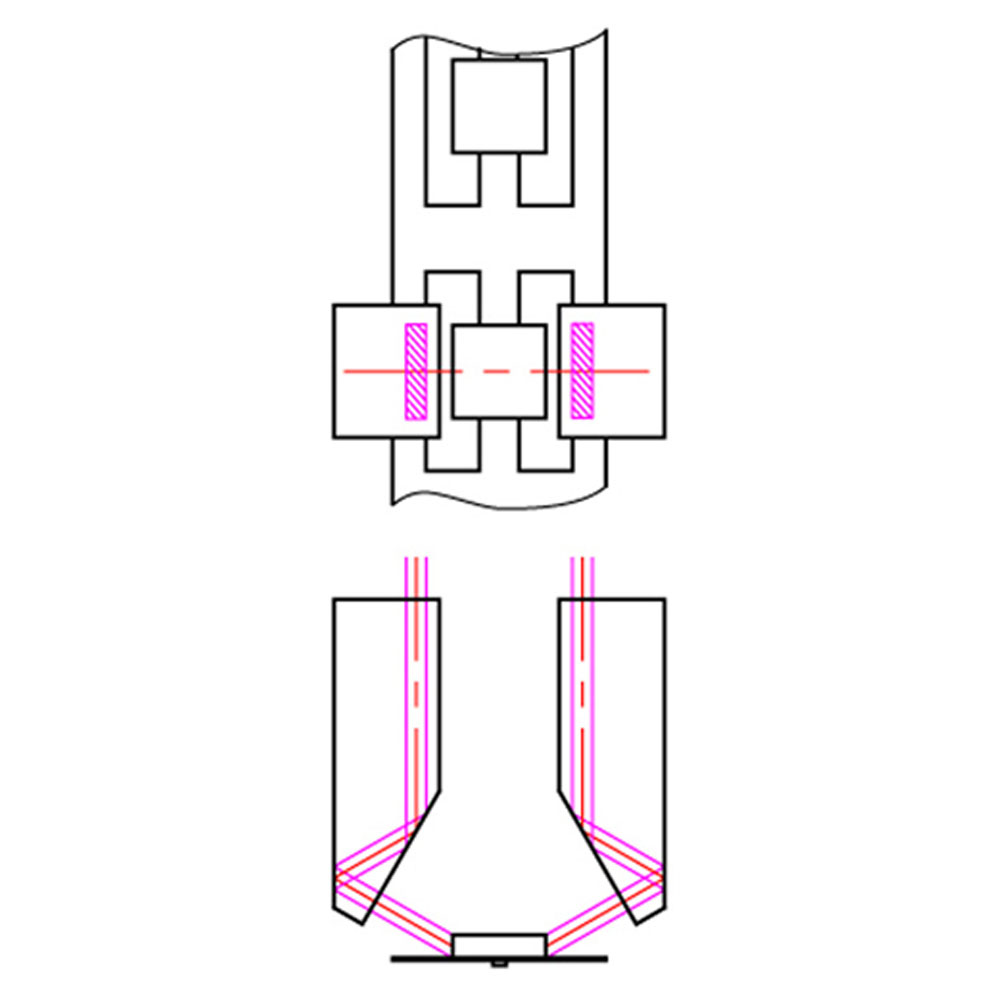
The figure shows three images: two side views of continuous hoop material workpieces captured from 30-degree oblique angles, and one direct-through top view of the workpiece. The setup ensures that the hoop material’s transport path is not obstructed, while a 30-degree CHROVIT is employed to capture the side views at the shallowest possible angle.
The 30-degree CHROVIT is more expensive than the 45-degree CHROVIT. This is because a reflective coating is applied to the areas in the optical path from the workpiece where total reflection cannot occur.
Simultaneous Two-Direction Acute Angle Imaging
two-direction acute angle imaging
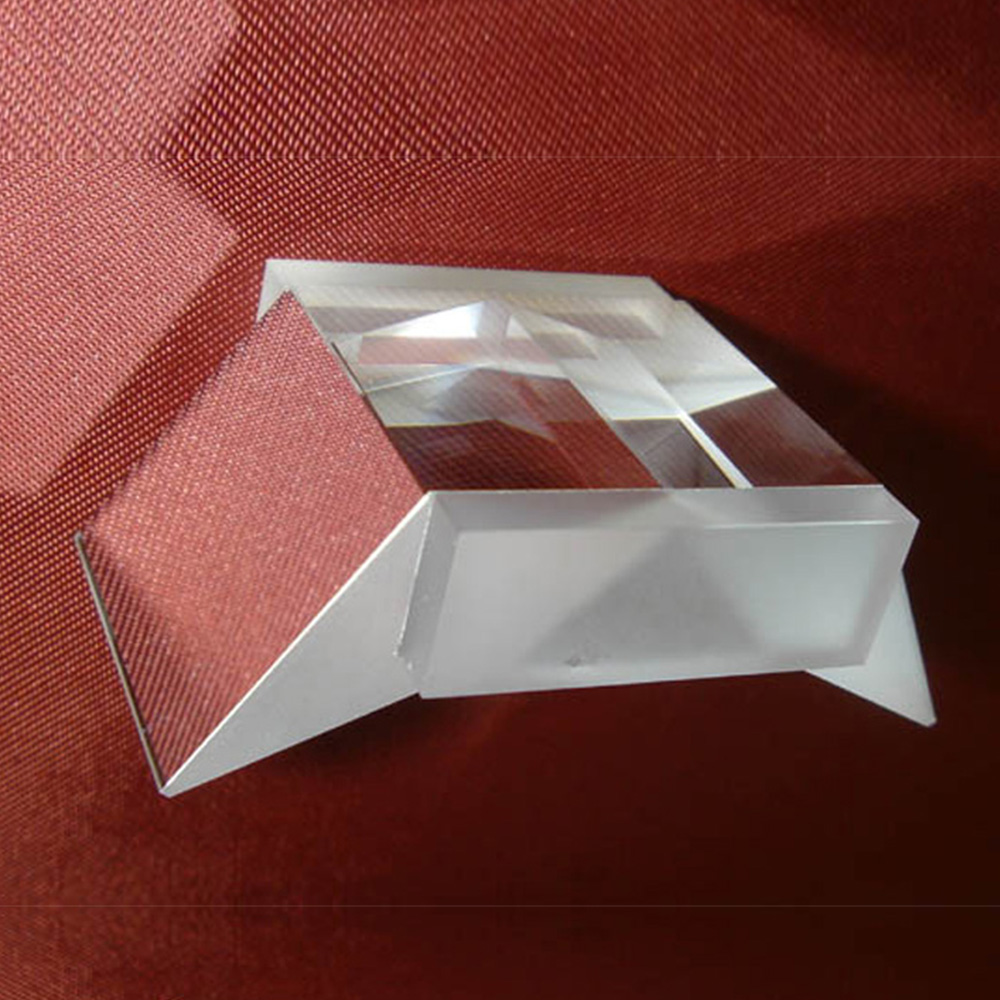
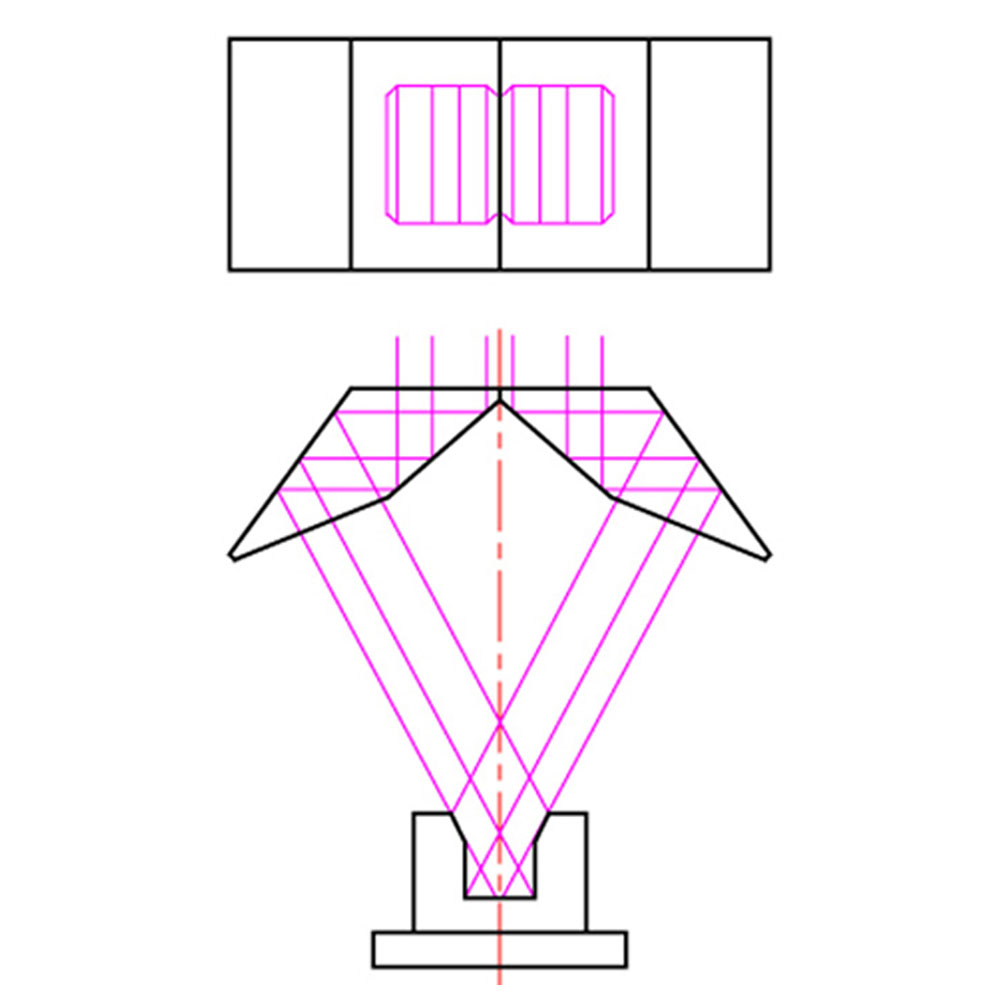
This CHROVIT is capable of imaging the side walls of depressions and counterbores from oblique angles above.
It is employed in situations where CHROVIT cannot be inserted into the workpiece due to constraints related to the transport system or cycle time.
Since CHROVIT is positioned at a distance above the workpiece, it does not interfere with the transport process.
The oblique downward viewing angle can be freely adjusted. However, due to the steep angle, the difference in focus between the top and bottom of the field of view becomes pronounced. Therefore, please select a lens with a deep depth of field.
Multi-View Split Imaging
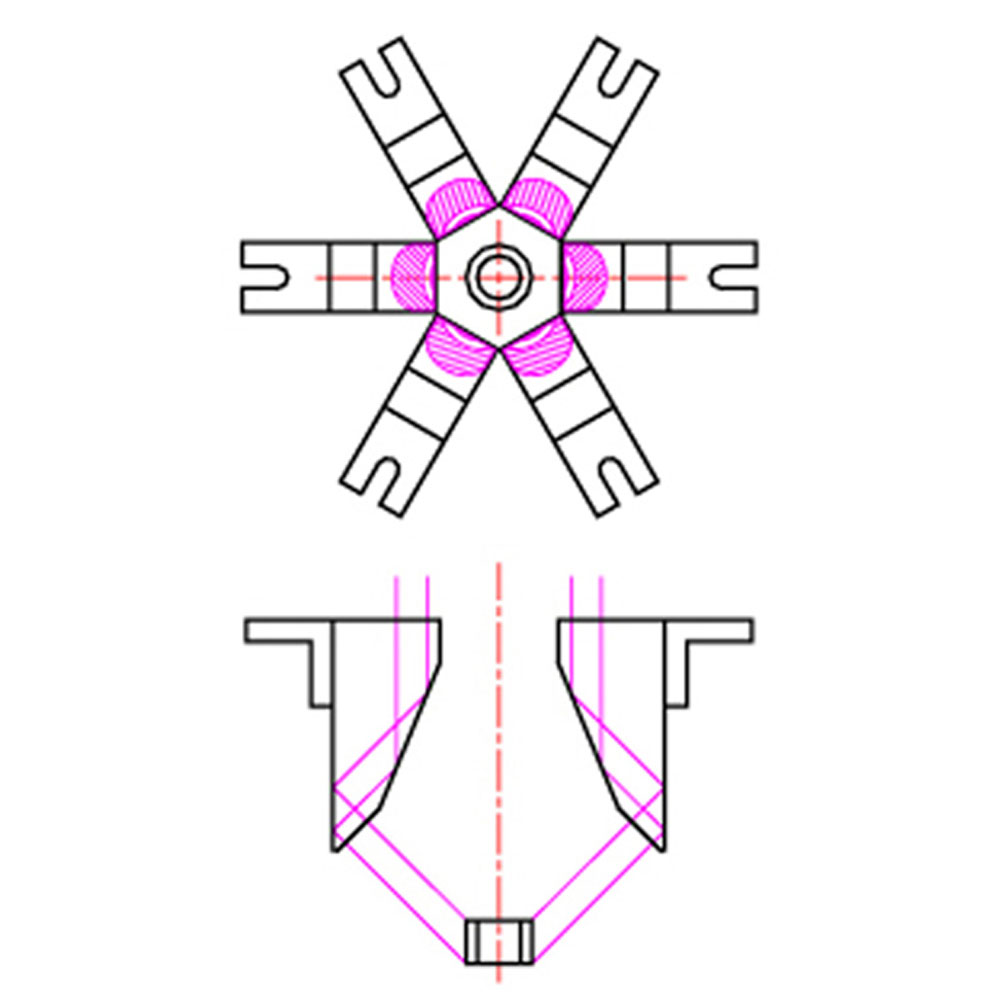
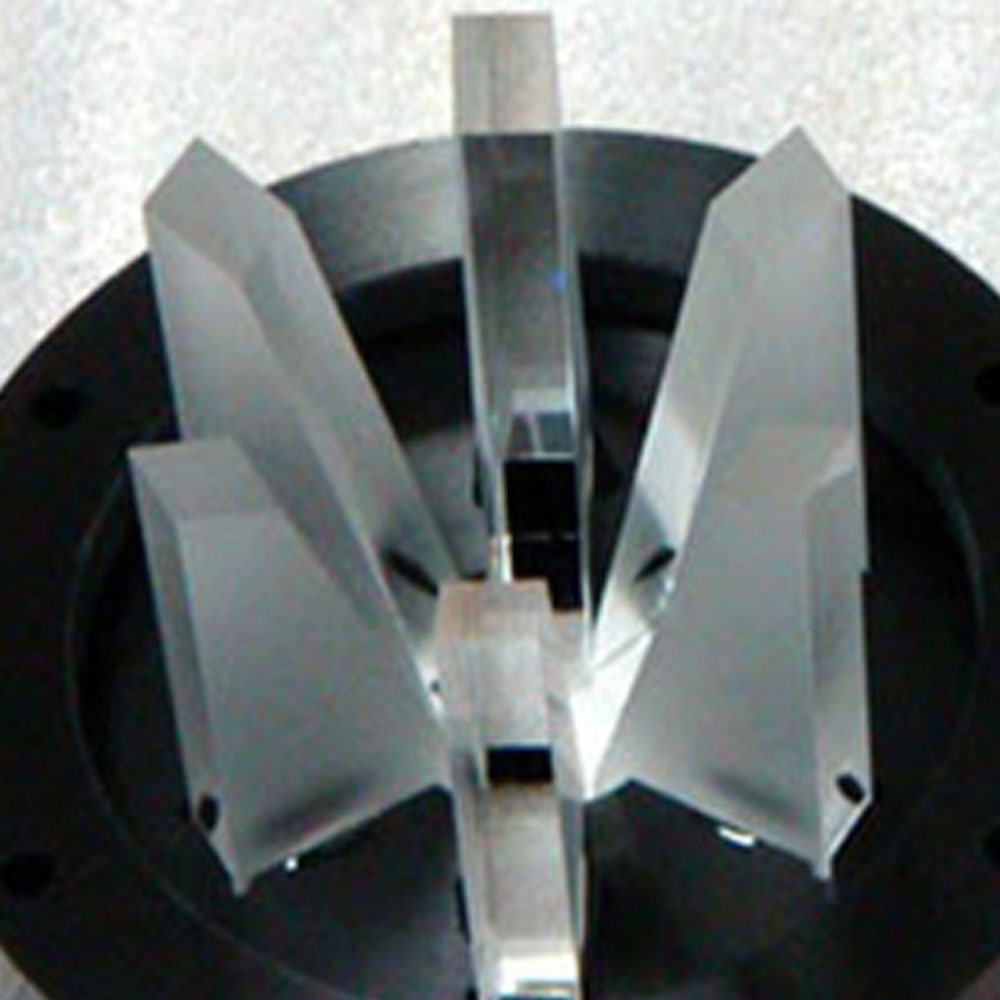
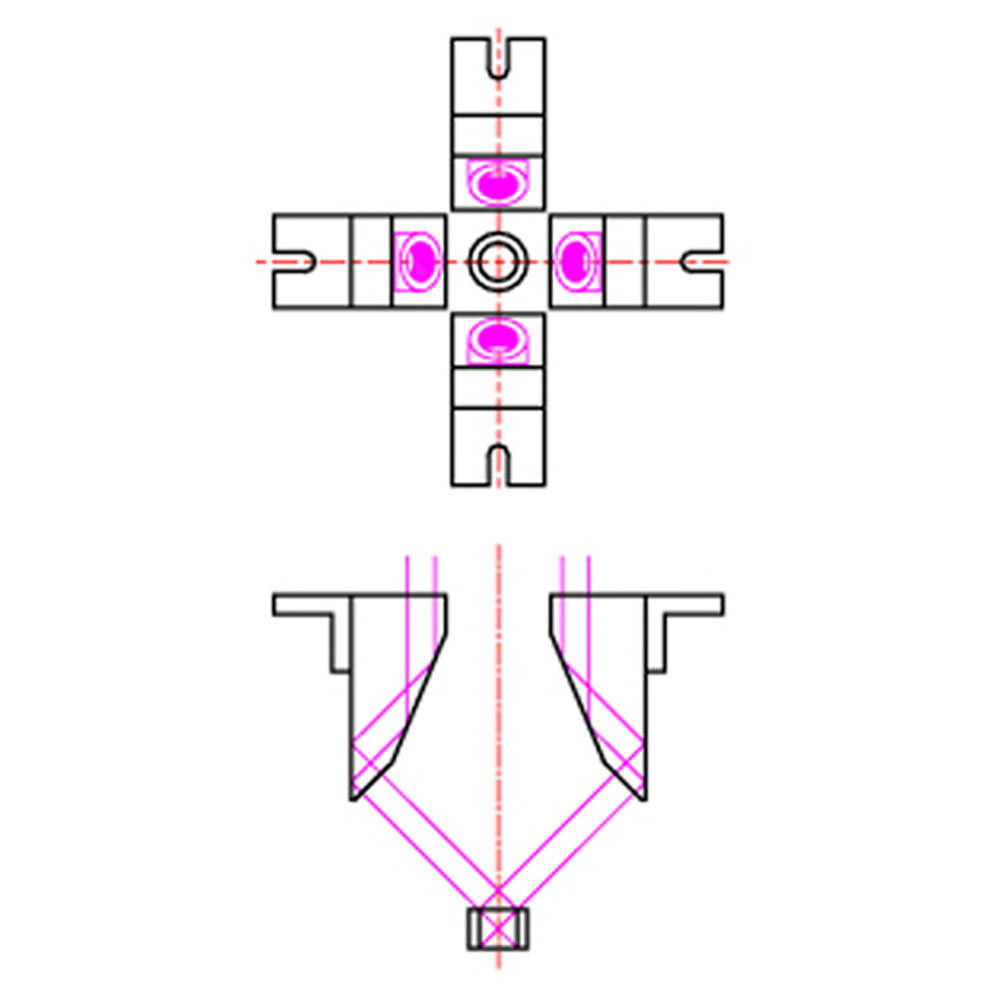
Multi-View Split CHROVIT
This CHROVIT is capable of imaging the outer or inner circumferences of cylindrical or round workpieces in segments from an oblique angle above.
It consists of a circular array of DOUBLE REFLECTION CHROVIT units. This configuration allows for simultaneous focusing on both the straight-through view and the inner or outer circumference.
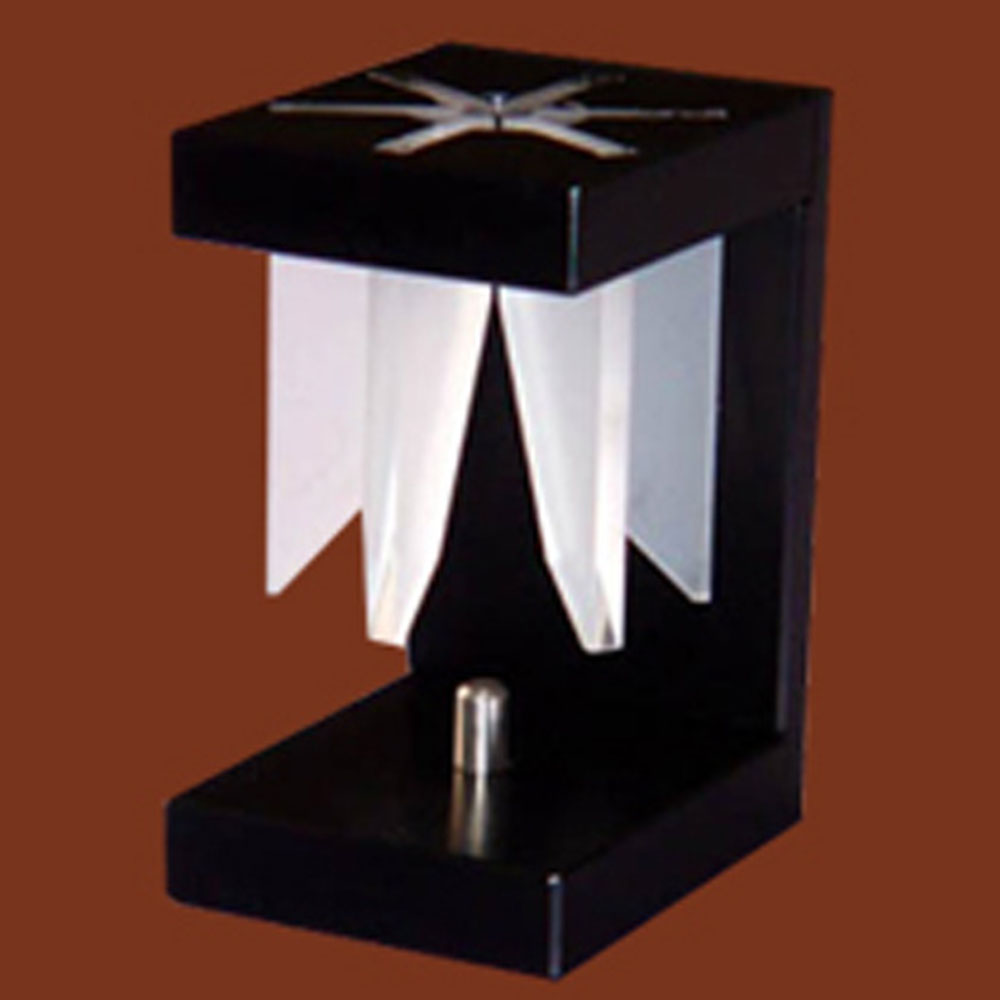
Examples of Imaging
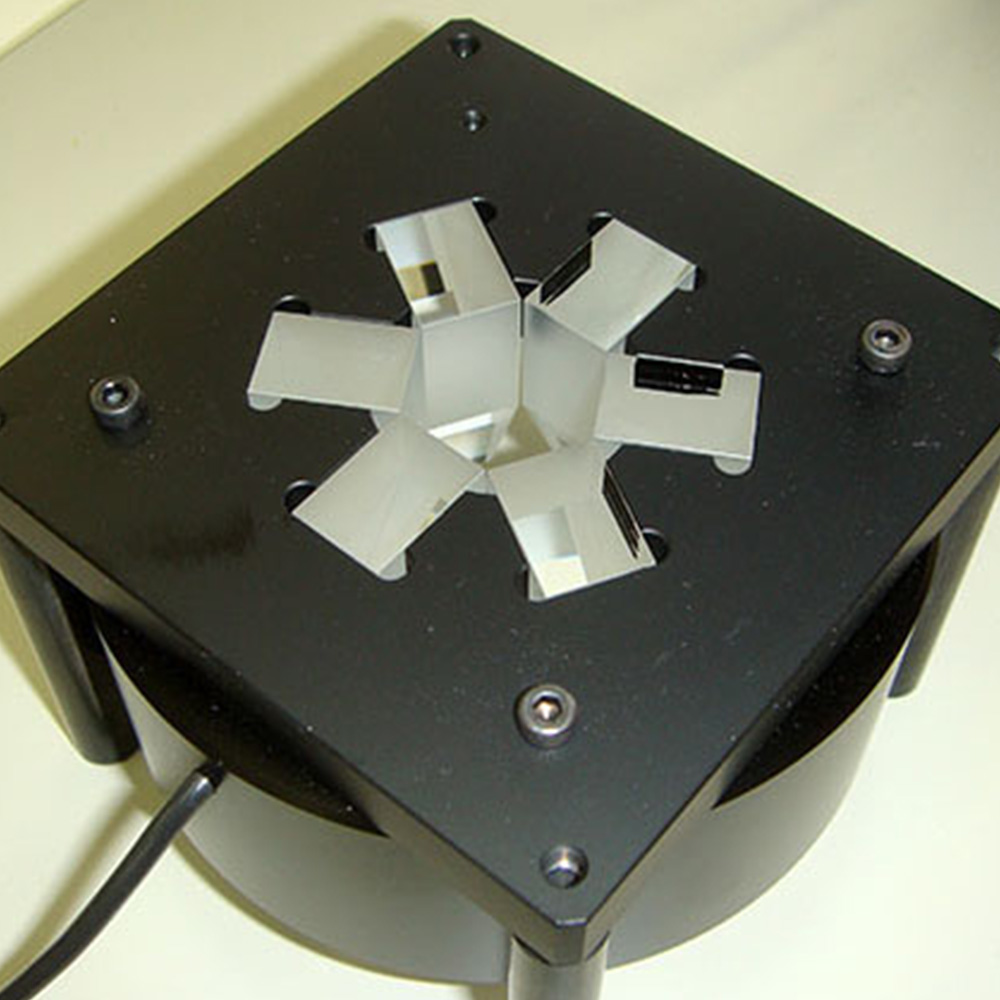
45 degrees 6 divisions DOUBLE REFLECTION CHROVIT
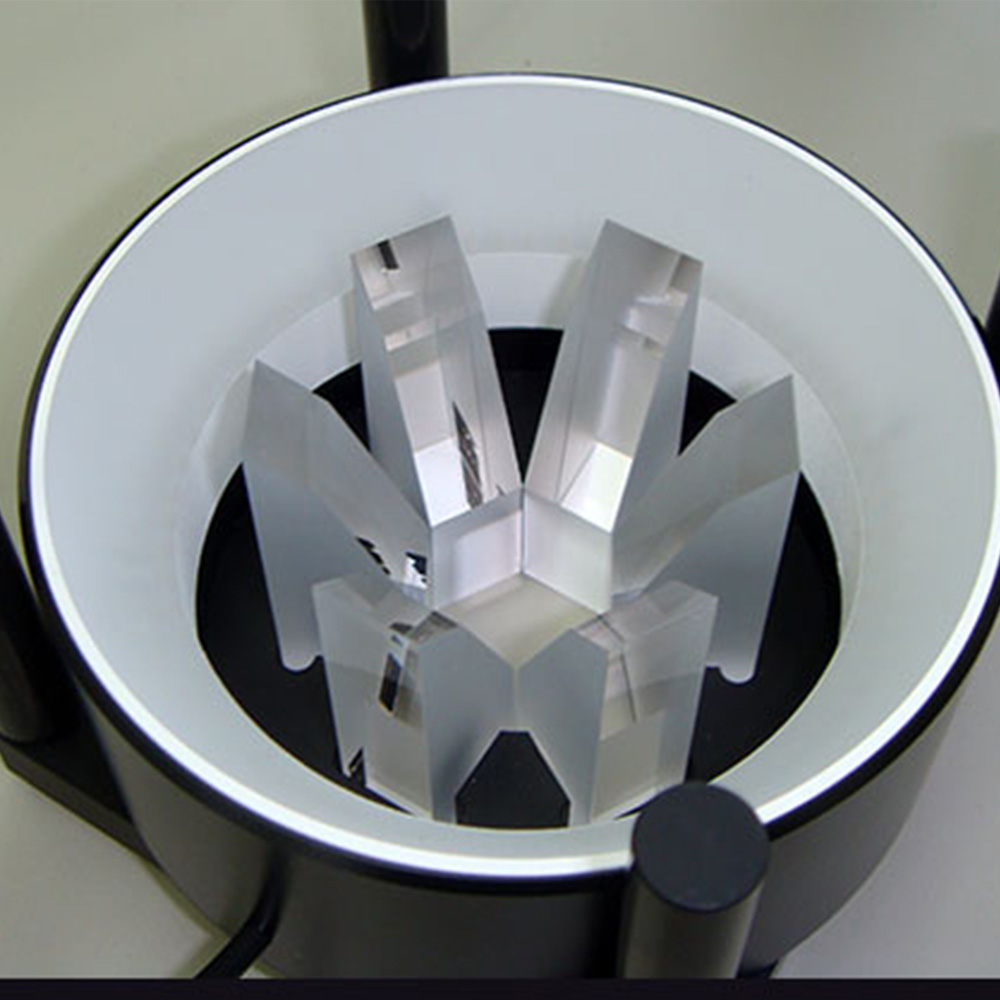
| Camera | ARTRAY ARTCAM-500MI(1/2.5) |
|---|---|
| Lens | VS TECHNOLOGY VS-TCM01-180 |
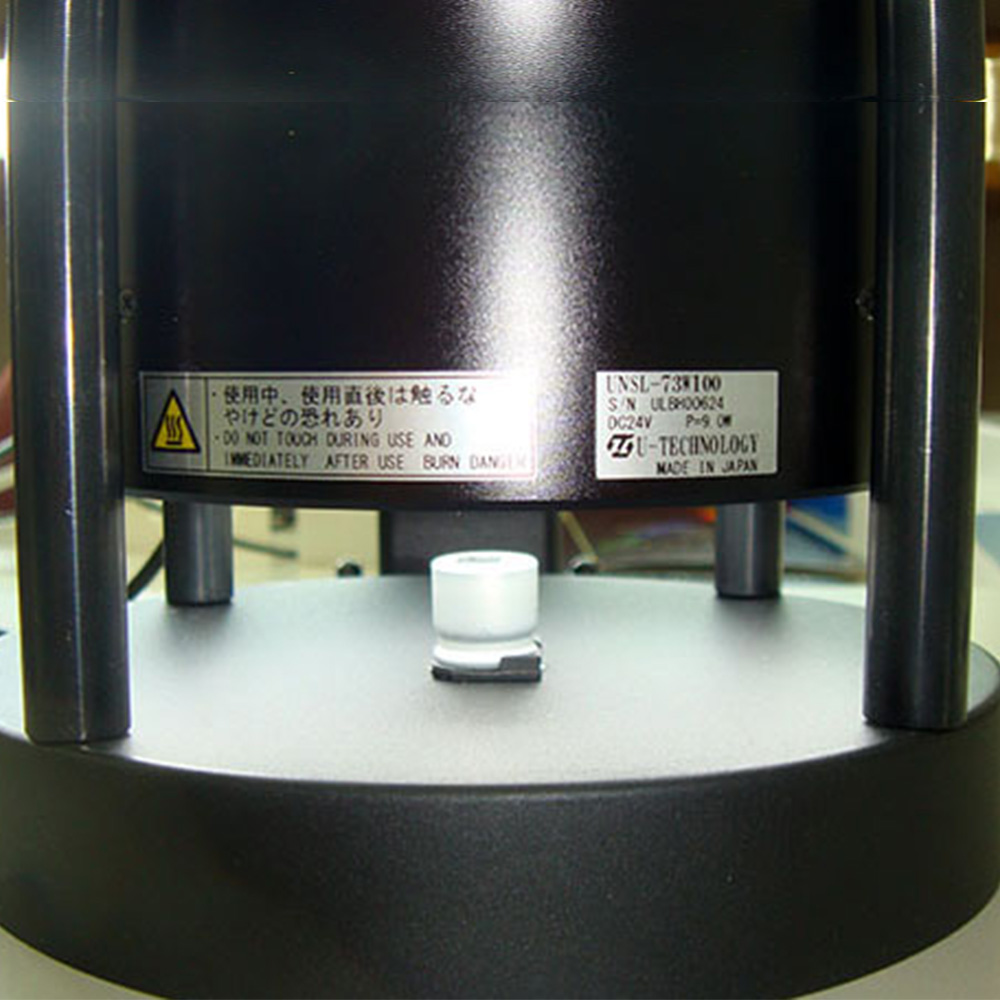
| Light | U-TECHNOLOGY UNSL-73W100 |
Testing Scenes
Captured Images